The lifecycle of digital assets
Do you know how to optimally manage the lifecycle of your digital assets? From creation to archiving – the Digital Asset Lifecycle is crucial for efficiency and success. Learn how Digital Asset Management can support you in this process!

Torsten Herbert
What is a digital asset lifecycle?
The lifecycle of digital assets describes the holistic process of creating, managing, distributing, utilizing, and archiving digital resources. This process ensures that digital assets can be efficiently and effectively utilized throughout their entire lifespan. Controlled management of this cycle is crucial to maximize the value of digital assets and ensure their relevance and accessibility over time.
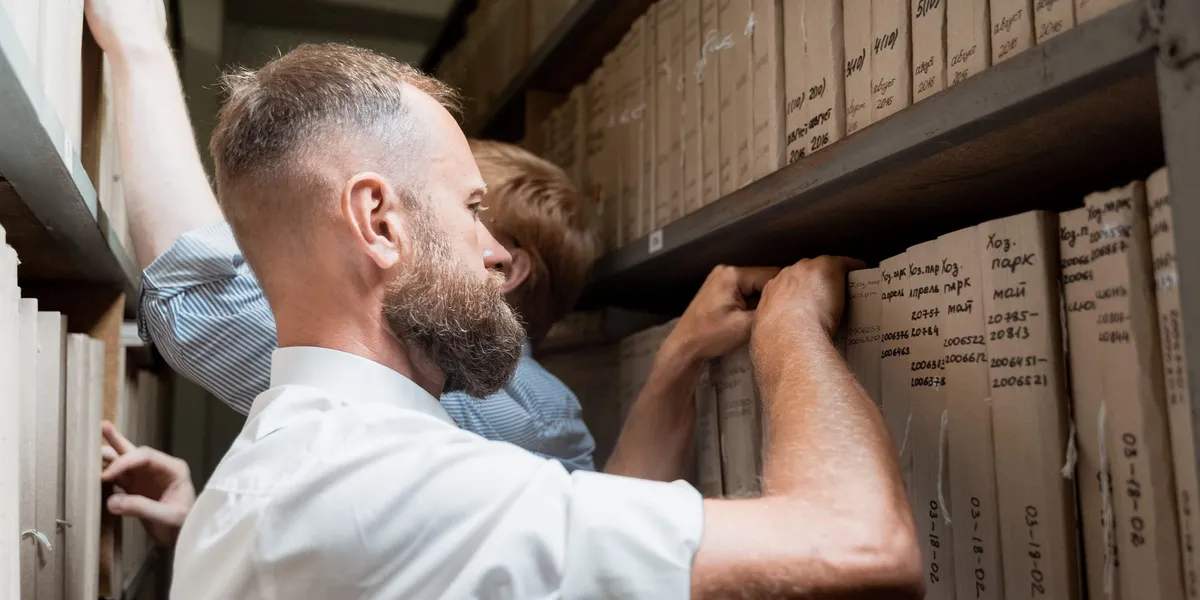
The lifecycle is strictest where documents have to be dated and superseded — in medical technology, for instance.
How to manage the entire lifecycle of digital assets?
Managing the entire lifecycle of digital assets requires a structured system that monitors and controls the creation, storage, maintenance, and eventual archiving of assets. An integrated Digital Asset Management (DAM) system provides a central platform that not only enables storage and categorization of digital assets but also supports their versioning, rights management, and integration with other digital systems and platforms. With features such as metadata management, powerful search capabilities, and access controls, a DAM system optimizes access to and utilization of digital assets, enabling companies to improve their efficiency and compliance.
The lifecycle of digital assets
In the following section, the lifecycle of digital assets is visualized and the individual phases are described.
Creating digital assets
The first step in the digital asset lifecycle is planning and developing the asset for the digital environment. This process begins with setting clear goals, target audiences, and messages for the asset. Subsequently, a detailed plan is developed defining the structure, content, and design of the asset. Careful implementation and production according to this plan result in a high-quality digital asset. Finally, the asset is adapted to the specific requirements and characteristics of digital platforms to ensure optimal user experience and maximize reach. A structured approach to planning and developing digital assets is crucial to ensure their effectiveness and value throughout the lifecycle.
Managing digital assets
In the second step of the digital asset lifecycle, the focus is on managing the created digital resources. This phase is crucial as it forms the basis for the efficiency and effectiveness of the entire lifecycle. Thorough and systematic management enables organizing, classifying, and controlling the growing amount of digital assets.
Organization and Structuring Structured organization of digital assets is essential to ensure their accessibility and discoverability. This involves developing a clear order and hierarchy that allows users to quickly find and identify assets. Implementing categories, tags, and metadata effectively groups and organizes assets.
Metadata Assignment Metadata assignment is a central aspect of asset management as it provides additional information about the digital resources. Metadata such as title, description, creation date, author, and tags allow users to search for and filter assets purposefully. A consistent and standardized metadata structure greatly facilitates asset management and utilization.
Versioning and Revision Versioning digital assets is important to track changes and restore previous versions if necessary. Implementing a robust version control system enables users to track changes, compare revisions, and resolve conflicts. This contributes to ensuring the integrity and quality of digital assets.
Backup and Data Security Backing up digital assets is crucial to ensure their availability and integrity. Regular backups and copies help prevent data loss due to hardware failures, errors, or cyber attacks. Additionally, data security is a central aspect of asset management, ensuring that sensitive information is appropriately protected and accessible only to authorized users.
Distribution of digital assets
Efficient distribution of digital assets is a crucial success factor for companies in today's digital landscape. It is not only about making assets available internally but also about seamlessly integrating with external platforms and media channels. A Digital Asset Management (DAM) system plays a central role by enabling companies to exchange relevant data between internal systems and external platforms such as online shops, apps, print media, and product databases.
Integration with third-party platforms allows companies to feed their digital assets directly into various distribution channels, ensuring consistent brand presence and efficient distribution strategy. Adapting to print media requires smooth collaboration between the DAM system and the design and printing process to produce high-quality print materials. Synchronizing with product databases allows customers to link digital assets with relevant product information, facilitating purchasing decisions and improving user experience.
Automating data flows is another key aspect that allows companies to save time and minimize errors by automatically distributing digital assets to the right destinations. By monitoring and analyzing various distribution channels, companies can gain insights into the performance of their distribution strategies and make adjustments to maximize success.
Overall, the integration and multi-channel distribution of digital assets enable companies to maximize their reach and effectively target their audiences. An approach that minimizes the complexity of distribution and helps ensure consistent brand presence across various channels.
Retrieval of digital assets
In the fourth step of the digital asset lifecycle, the focus is on retrieving digital assets. Efficient navigation and access to stored resources are crucial to facilitate their use and reuse. A Digital Asset Management (DAM) system plays a central role by providing users with powerful tools and features. A searchable database with metadata enables targeted searches, while an intuitive user interface facilitates navigation. Versioning features allow access to previous iterations, while permission management ensures the security of sensitive information. Thus, users can quickly and efficiently access the resources they need, increasing productivity and ensuring the security of digital assets.
Archiving of digital assets
Archiving digital assets is the final step of their lifecycle and requires careful management to ensure their long-term integrity and availability. A Digital Asset Management (DAM) system plays a crucial role by providing mechanisms for long-term storage, backup, and management.
Assets are stored in a structured archive, with metadata and categorization helping to easily identify and restore them. Regular backups minimize the risk of data loss due to hardware failures or human errors. Additionally, a DAM system supports compliance with regulations by appropriately protecting and archiving sensitive data. This ensures that valuable information remains accessible and protected over long periods.
How can TESSA DAM support you here?
TESSA DAM provides a comprehensive solution for managing the digital asset lifecycle by offering tools for effectively controlling all phases of the lifecycle. From initial creation to distribution and archiving, TESSA DAM enables central, secure, and efficient management of digital assets. With features such as automated metadata assignment, rights and license management, and powerful integration capabilities, TESSA helps companies optimize their digital resources, promote collaboration, and ultimately ensure consistent and brand-compliant usage.
About the author

Torsten Herbert
CTO
Torsten co-founded EIKONA in 2001 and established the digital marketing and eCommerce division. Since then, there have been many changes. His focus remains on making data accessible and usable through modern platforms, such as our TESSA.
PIM and DAM: Differences, Integration, and when you need which
PIM and DAM – what sets them apart, when do you need which system, and how do they work together? Get the answers here.
Digital Asset Management (DAM) vs. Google Drive and Dropbox
Discover how digital asset management differs from cloud storage such as Google Drive and Dropbox and find the best solution for managing your digital content.